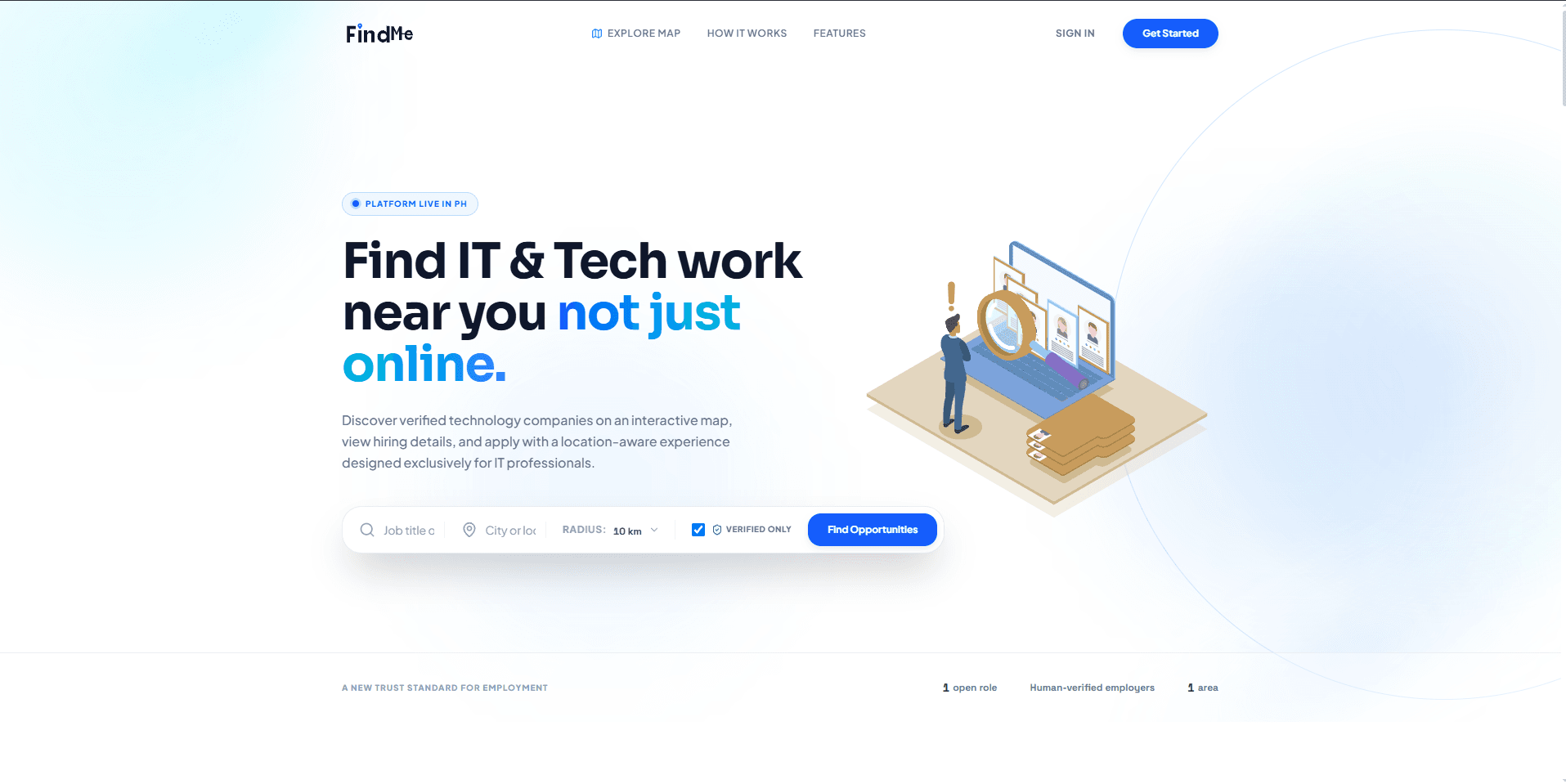
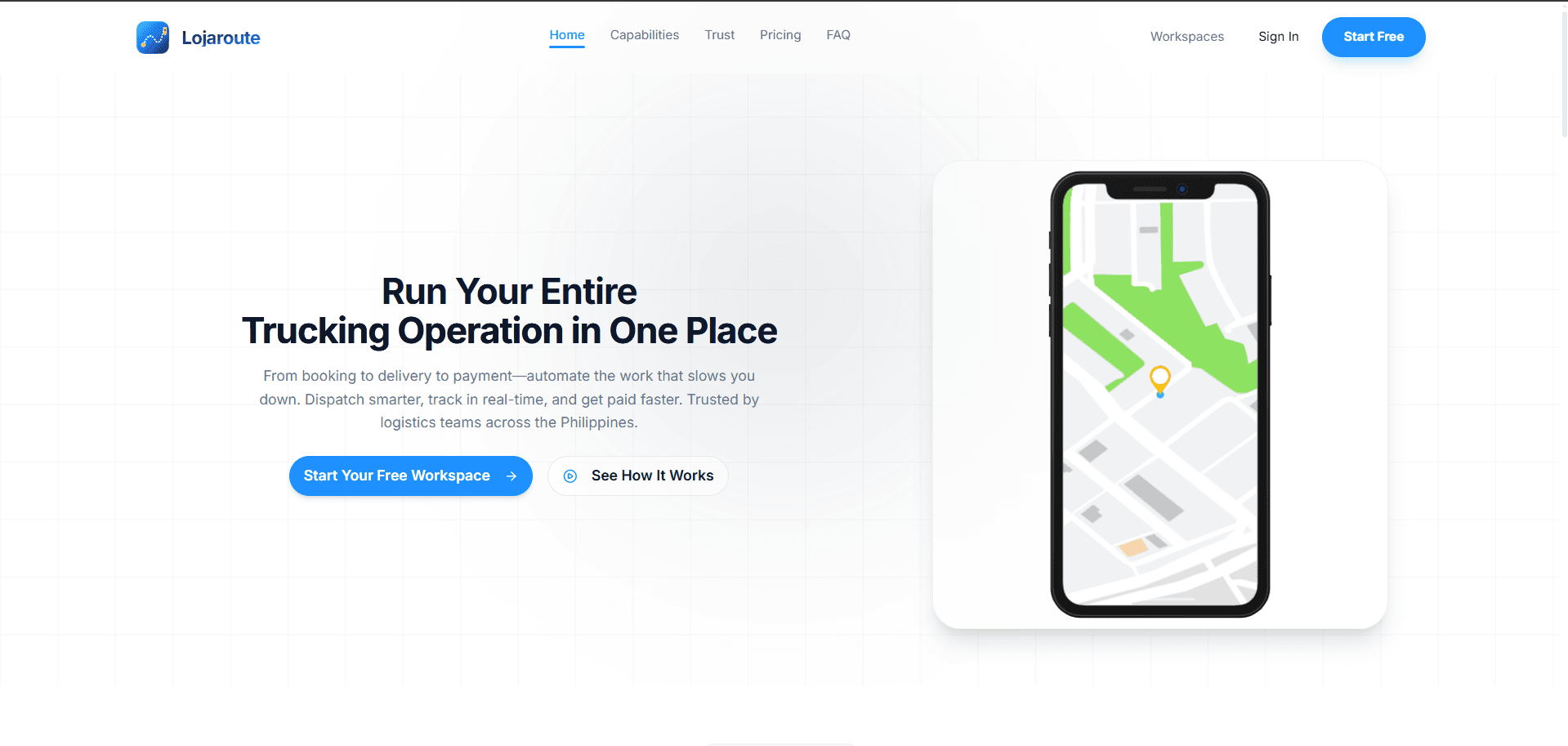
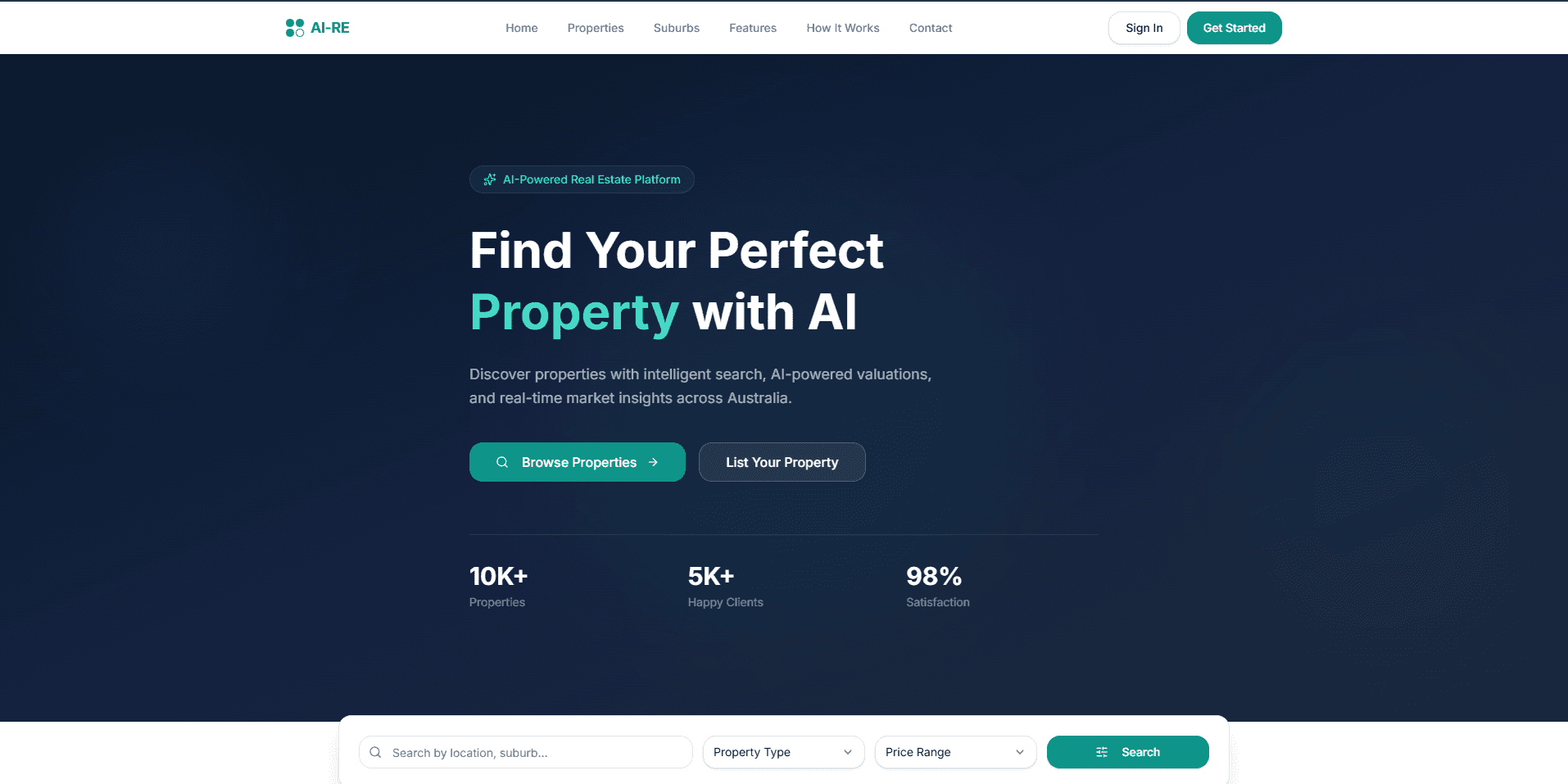
Most of my work starts the same way: a business is running something critical on spreadsheets, paper, or half a dozen disconnected tools, and it has stopped scaling. I map how the operation actually works, model it properly in the database, and build the platform on top — the dispatch board, the offer ledger, the driver app. Logistics and real estate are where I've spent the most time.
The structural decisions are the ones I care about. A schema that reflects real business rules, permissions enforced on the server rather than hidden in the UI, and boundaries clear enough that the next developer can extend the system without breaking it. Software that works on launch day is the low bar; the harder goal is software still worth maintaining a year later.
I learn fastest by shipping and by explaining. As Web Development Assistant Lead for Google Developer Groups on Campus, I built and maintained the chapter site across the academic year while mentoring students through React and Node.js — teaching a concept is the quickest way to find out how well you actually understand it.